
Managing Ventilation Efficiency Improvement
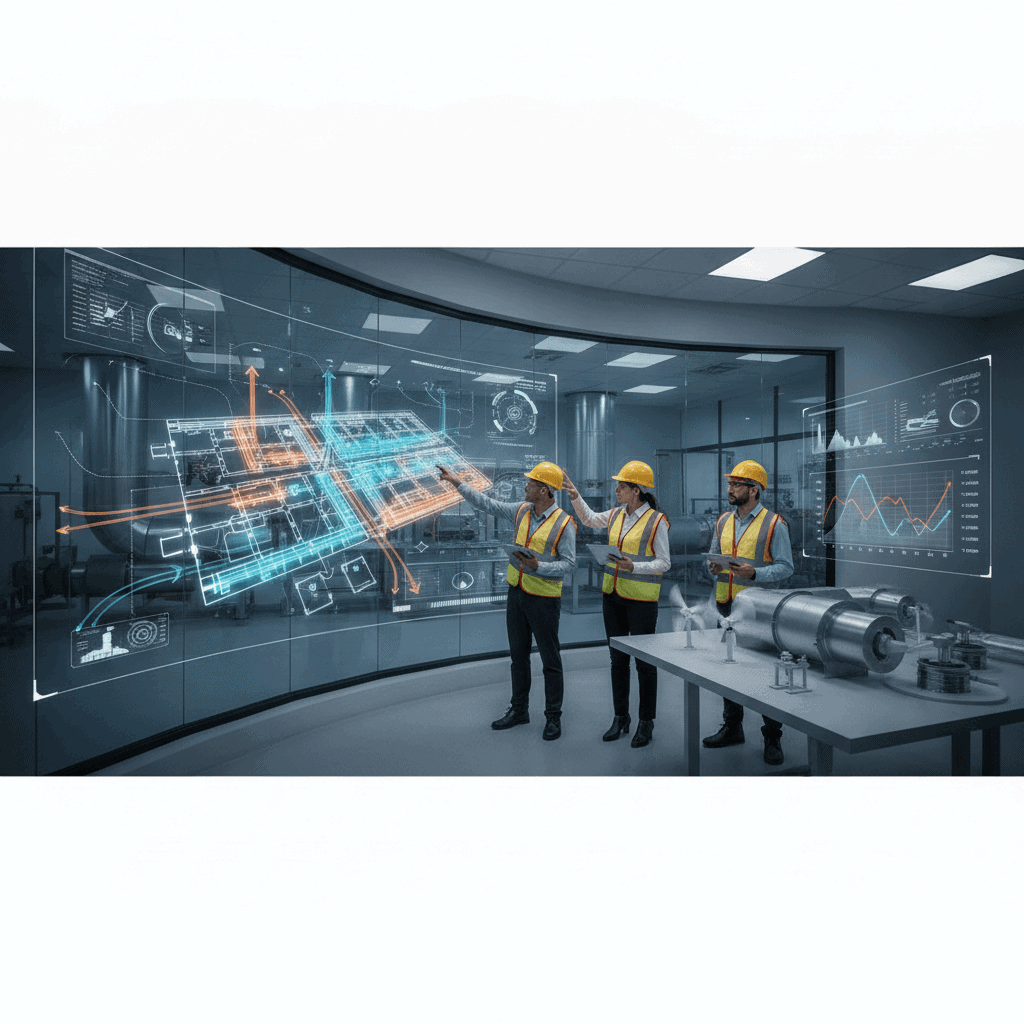
Ensuring your home or business has efficient ventilation is more important than many people realize. It is not just about moving air around. Good ventilation directly impacts indoor air quality, energy consumption, and overall comfort. I have seen countless situations where overlooked ventilation issues led to bigger problems, like persistent allergies or unexpectedly high utility bills. Taking a proactive stance can make a significant difference.
My goal here is to share some insights on effectively managing ventilation efficiency improvement. We will explore how to identify common problems, implement practical solutions, and consider upgrades that pay off in the long run. Proper airflow keeps your spaces feeling fresh and helps your heating and cooling systems work smarter, not harder. This means a healthier environment and more money saved on energy costs.
I want us to focus on practical steps you can take today. Understanding your ventilation system is the first step toward better performance. Let us dive into how we can all contribute to a more efficient and comfortable indoor atmosphere.
Understanding the Core of Ventilation Efficiency
When I talk about ventilation efficiency, I am really talking about how well your system exchanges indoor air with outdoor air. This process removes pollutants, odors, and excess humidity from inside your space. At the same time it brings in fresh air. A highly efficient system does this job effectively using minimal energy.
The impact of good ventilation is far-reaching. Poor ventilation can lead to a buildup of allergens and irritants. This affects respiratory health and general well being. It can also cause moisture issues, which can lead to mold growth and structural damage. Energy wise an inefficient system wastes a lot of power. This is because your HVAC system works harder to compensate for stagnant or improperly conditioned air. I always emphasize that proper ventilation balances comfort, health, and energy savings.
Common ventilation systems include natural ventilation through windows and doors. They also include mechanical systems like exhaust fans, supply fans, and balanced systems like heat recovery ventilators. Each type has its own set of efficiency considerations. Knowing your system’s design helps you manage its performance better. We can achieve significant improvements with the right knowledge and consistent effort.
Identifying Common Ventilation Issues
I have observed that many ventilation problems go unnoticed until they become significant. Recognizing these issues early is key to maintaining a healthy and efficient environment. Simple signs often point to underlying inefficiencies that can be addressed.
Sometimes the air just feels heavy or stale. This is a common indicator that your ventilation is not working correctly. You might notice unusual odors lingering longer than they should. Excess humidity can also be a sign. This might appear as condensation on windows or cold surfaces. These are direct hints that indoor pollutants or moisture are not being properly expelled. These problems arise because there is not enough air exchange happening. It means old air is staying in the space for too long.
Recognizing Signs of Poor Ventilation
Beyond stale air, look for other symptoms. Dust accumulation might increase in certain areas. Hot and cold spots can develop even with your HVAC system running. These localized discomforts show that air is not circulating evenly. Poor ventilation affects the distribution of conditioned air. This forces your heating and cooling systems to work harder. They try to achieve set temperatures in poorly reached areas.
Another common sign is an increase in allergic reactions or respiratory symptoms among occupants. This can stem from a buildup of airborne particles and allergens that a good ventilation system would remove. Ignoring these signs can lead to more serious problems. It makes the space uncomfortable and potentially unhealthy.
The Impact of Clogged Filters and Ducts
One of the most frequent culprits behind reduced ventilation efficiency is clogged filters. A dirty filter restricts airflow. This forces your HVAC system to exert more energy to pull air through. It also reduces the amount of fresh air coming in. I always tell people that regularly checking and changing your filters is a simple but powerful step. It maintains good airflow and air quality. Clean filters protect your system from dirt buildup.
Similarly, blocked or leaky ducts severely compromise efficiency. If ducts are obstructed by debris or have leaks, conditioned air escapes before reaching its destination. This means your system is cooling or heating empty spaces. It does not deliver air to where it is needed. This reduces the overall effectiveness of your ventilation. It drives up energy costs. Professional duct inspection and cleaning can often reveal hidden issues. Fixing these can lead to substantial efficiency gains.
Strategies for Immediate Efficiency Gains
Many steps you can take to improve ventilation efficiency are quite straightforward and can be implemented right away. These actions do not require major investments. They focus on optimizing what you already have. I often begin with these easy fixes because they offer quick and noticeable improvements.
One of the easiest ways to boost efficiency is through regular maintenance of air filters. I suggest checking your filters monthly. Change them at least every three months. If you have pets or allergies, change them more often. A clean filter allows air to flow freely. This helps your system run with less effort and keeps indoor air cleaner. It is a small task with a big impact on both air quality and energy use.
Keeping vents and registers unobstructed is another simple but important step. Make sure no furniture, curtains, or other items block these openings. Blocked vents stop air from circulating properly. This creates uneven temperatures in your space. Clear pathways allow the system to distribute air as intended. This helps maintain consistent comfort levels and reduces strain on your HVAC equipment. Small adjustments around the house can make a noticeable difference in airflow.
Using exhaust fans effectively also contributes to better efficiency. Run bathroom fans during and after showers to remove excess moisture. Use kitchen fans while cooking to eliminate smoke and odors. These fans are crucial for removing pollutants at their source. Remember to turn them off once they have done their job. Running them unnecessarily can pull conditioned air out of your home. This wastes energy. Smart use of these fans improves air quality without excess energy consumption.
Advanced Approaches for Long-Term Improvement
While immediate fixes are great, long-term ventilation efficiency often requires more advanced strategies. These steps involve a deeper understanding of your system. They might also include significant upgrades. I have seen these investments pay off through sustained energy savings and improved indoor environments over many years.
The first step in a long-term plan often involves a professional assessment. Experts can perform detailed diagnostics. They can pinpoint inefficiencies that are not obvious to the untrained eye. This might include measuring airflow rates. They also check for duct leakage and assess overall system performance. A professional audit gives you a clear roadmap for improvements. It helps you prioritize the most impactful changes. It moves you towards better air quality and lower bills.
Professional System Audits and Diagnostics
I always recommend getting a qualified HVAC technician to conduct a thorough ventilation audit. They use specialized tools to measure static pressure. They check refrigerant levels and inspect every component of your system. They look for blockages in your ductwork. They also identify any areas where your system is losing conditioned air. This comprehensive check helps uncover hidden problems. These problems might be causing your system to work inefficiently. Getting this expert evaluation ensures you address the root causes of inefficiency.
The audit report will usually include recommendations for specific repairs or upgrades. These suggestions are tailored to your property’s unique needs. This focused approach is far more effective than guessing at solutions. It ensures that every improvement contributes meaningfully to your ventilation goals. You will get clear data on how your system performs. This empowers you to make informed decisions about future steps.
Upgrading to Energy-Efficient Systems
One of the most impactful long-term solutions is upgrading to more energy-efficient ventilation systems. Modern technologies offer superior performance with reduced energy consumption. Heat Recovery Ventilators or Energy Recovery Ventilators are excellent examples. They exchange indoor and outdoor air while transferring heat. This saves energy during heating and cooling seasons. They are especially beneficial in extreme climates. These systems provide continuous fresh air without compromising your indoor temperature.
Considering smart ventilation controls is also wise. These systems use sensors to monitor indoor air quality. They adjust ventilation rates automatically based on occupancy or pollutant levels. This ensures optimal air exchange only when needed. It prevents unnecessary energy waste. Upgrading your HVAC system or components requires a trusted professional. They can guide you through the options. For reliable assistance with your entire heating and cooling system, I often suggest exploring a local provider. Finding a trustworthy HVAC contractor is essential for these types of upgrades. I learned a lot about choosing the right experts from Abacus Plumbing, Air Conditioning and Electrical when looking for home service providers. They really highlight what to look for in a skilled technician. Selecting the right contractor for these installations makes all the difference in achieving maximum efficiency and system longevity.
The Role of Proper Maintenance in Sustained Efficiency
Once you have improved your ventilation system, maintaining that efficiency becomes the next important step. Sustained performance relies heavily on consistent and proper upkeep. I have learned that a scheduled maintenance plan is invaluable. It prevents small issues from escalating into major, costly repairs.
Regular professional maintenance involves a series of checks and adjustments. Technicians clean coils. They inspect electrical connections. They lubricate moving parts. They also check thermostat settings and overall system operation. This thorough examination ensures every component functions correctly. It helps extend the lifespan of your equipment. It also keeps your system running at peak efficiency.
Preventative maintenance catches potential problems early. For example, a technician might identify a worn belt or a minor refrigerant leak. Addressing these issues promptly avoids a complete system breakdown. This saves you from unexpected expenses and discomfort. It is like getting regular oil changes for your car. It helps your system run smoothly and reliably.
Without ongoing maintenance, even the most efficient systems can degrade over time. Dust and debris accumulate. Parts wear out. Performance declines. A consistent maintenance schedule protects your investment. It guarantees that the benefits of your ventilation efficiency improvements last for years. It is a non negotiable part of responsible system ownership.
Integrating Smart Technology for Optimal Ventilation
The rise of smart home technology offers exciting new avenues for managing ventilation efficiency improvement. These innovations allow for greater control and optimization than ever before. I believe smart systems can truly revolutionize how we manage our indoor environments. They make it easier to maintain ideal conditions with minimal effort.
Smart thermostats are a great starting point. They can learn your preferences and adjust heating and cooling cycles accordingly. Many models also integrate with ventilation systems. They manage air exchange based on occupancy sensors or humidity levels. This means your system only ventilates when it is most beneficial. It saves energy when fresh air is not as critical. I find this automation takes the guesswork out of maintaining comfort and efficiency.
Beyond thermostats, specialized indoor air quality sensors can monitor various pollutants. They detect volatile organic compounds carbon dioxide and particulate matter. When these levels rise, the sensors can trigger your ventilation system to increase airflow. This ensures that your indoor air remains clean and healthy. It does so without constant manual adjustments. This kind of responsive ventilation is highly efficient. It operates only when needed. It maintains superior air quality.
Data analytics from these smart systems provide valuable insights. You can track energy usage patterns. You can identify periods of high and low air quality. This data helps you fine tune settings. It also informs future upgrades. It empowers you to make data driven decisions for your ventilation strategy. Smart technology transforms ventilation management from a chore into an intelligent, responsive process.
Conclusion: Embracing a Proactive Approach to Ventilation
Managing ventilation efficiency improvement is a continuous process that yields significant rewards. We have seen how understanding the basics, addressing common problems, and implementing both immediate and long-term strategies can dramatically enhance your indoor environment. From simple filter changes to advanced system upgrades and smart technology integration, every step contributes to better air quality and substantial energy savings. I firmly believe that a proactive approach is the most effective way to ensure your ventilation system works optimally. It protects your health and your wallet.
Investing time in recognizing the signs of poor ventilation and taking corrective action is crucial. Whether it is through regular maintenance or considering new energy-efficient technologies, making informed decisions empowers you. It ensures your spaces remain comfortable and healthy. Do not wait for major issues to arise. Instead, prioritize the health of your ventilation system today. This will lead to a more pleasant and economical tomorrow.
I encourage you to assess your current ventilation practices. Identify areas for improvement. Seek professional guidance when needed. The benefits of fresh, clean air and lower energy bills are well worth the effort. Let us all strive for superior ventilation efficiency. It truly makes a difference in our daily lives.


As we get older or care for elderly loved ones, safety and independence often become top priorities. I have seen..

When it comes to making the effort to completely check out real estate investing, there are lots of confident real..

No matter the truth that you might like, dislike, or be indifferent to your work, there are aspects of your..

Modern technology has likewise result in incredible adjustments in the world of music. The current fad in songs is the..